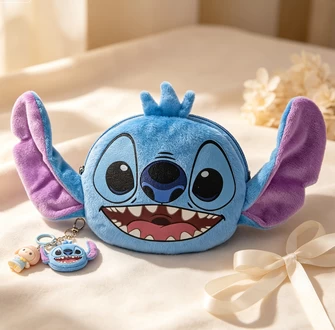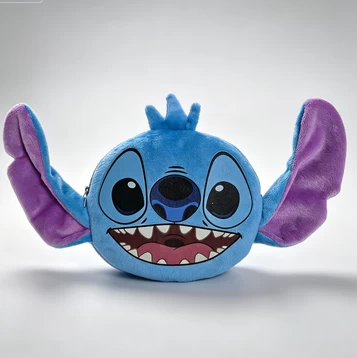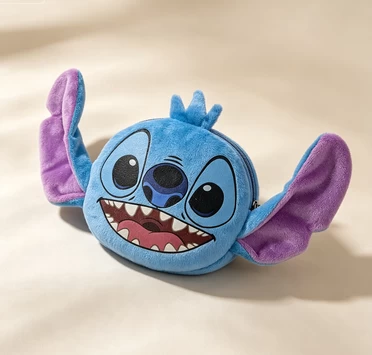
Short answer: Buyers sourcing custom zipper pouches should define the application, measurable specification, approval process, and inspection standard before comparing quotations. A lower unit quote is not useful when material, construction, printing, or packaging assumptions differ.
What buyers should define first
Start with the packed product, sales channel, target user, expected handling, and branding requirement. Provide reference dimensions, artwork, destination country, estimated quantity, packaging preference, and requested delivery window so suppliers can quote against the same brief.
Choose material from the use case first: canvas for a natural hand feel, Oxford cloth for abrasion resistance, and polyester for lightweight color printing.
Key specifications to compare
For zipper pouch materials, compare fabric weight, surface texture, coating, print method, zipper tape, lining, and intended use. Ask suppliers to state each item in the quotation or specification sheet rather than using broad descriptions such as “standard material” or “regular packing.”
| Area | What to request | Why it matters |
|---|---|---|
| Material | Fiber or substrate, construction, weight or thickness, finish, and color reference | Controls appearance, hand feel, printing, and durability |
| Dimensions | Finished size, usable size, measurement method, and tolerance | Prevents fit problems and inconsistent production |
| Construction | Seam type, reinforcement points, closure components, and lining | Identifies failure points before bulk production |
| Branding | Artwork format, process, colors, placement, and approved sample | Keeps the finished result aligned with brand requirements |
| Packaging | Unit pack, labels, carton quantity, carton marks, and protection | Affects retail readiness, freight efficiency, and handling |
A practical sourcing process
- Create one written product brief with drawings or reference photos.
- Ask shortlisted suppliers to identify assumptions and alternatives.
- Compare quotations line by line, including tooling, samples, packaging, and shipping terms.
- Approve material swatches, artwork, dimensions, and a physical sample.
- Freeze the specification and inspection criteria before bulk production.
- Inspect production against the approved sample and written tolerances.
- Confirm carton marks, quantities, and shipping documents before dispatch.
Common purchasing mistakes
- Comparing prices without normalizing material and construction.
- Approving artwork on screen without checking a physical application sample.
- Using nominal sizes without defining the finished measurement method.
- Leaving packaging until production is complete.
- Accepting vague claims about performance without an agreed test method.
- Changing details after sample approval without updating the specification.
How to evaluate a supplier
A useful supplier response should identify what is included, what remains optional, and which details require confirmation. Look for clear sample records, revision control, traceable material information, inspection steps, and packaging documentation. Confirm any certification or compliance requirement against the final material, construction, market, and intended use.
For intellectual property, labeling, chemical, or product-safety questions, obtain current advice appropriate to the destination market. Do not assume a generic factory document applies to every finished product.
Buyer FAQ
What should be included in the first inquiry?
Include product type, material preference, dimensions, application, artwork, estimated quantity, packaging, destination country, and requested delivery window.
Should I request a sample?
Yes. A physical sample helps confirm material, construction, dimensions, color, branding, and packaging before bulk production.
How should I compare quotations?
Use one specification and compare included processes, packaging, tooling, sample costs, trade terms, and stated exclusions.
Can MOQ be confirmed before the specification?
MOQ may change with material, color, printing, components, and packaging. Confirm it with the supplier after the specification is defined.
How can I control color?
Provide a recognized color reference when possible and approve a physical swatch or printed sample under consistent lighting.
What should be checked before shipment?
Check quantity, dimensions, appearance, construction, logo placement, function, packaging, carton marks, and any agreed tests.
Prepare a quote-ready request
For a focused quotation on custom zipper pouches, submit the product type, material, size, application environment, customization requirements, estimated order quantity, packaging requirements, destination country, and target delivery date. The final MOQ, lead time, and applicable documentation should be confirmed against the approved specification.