
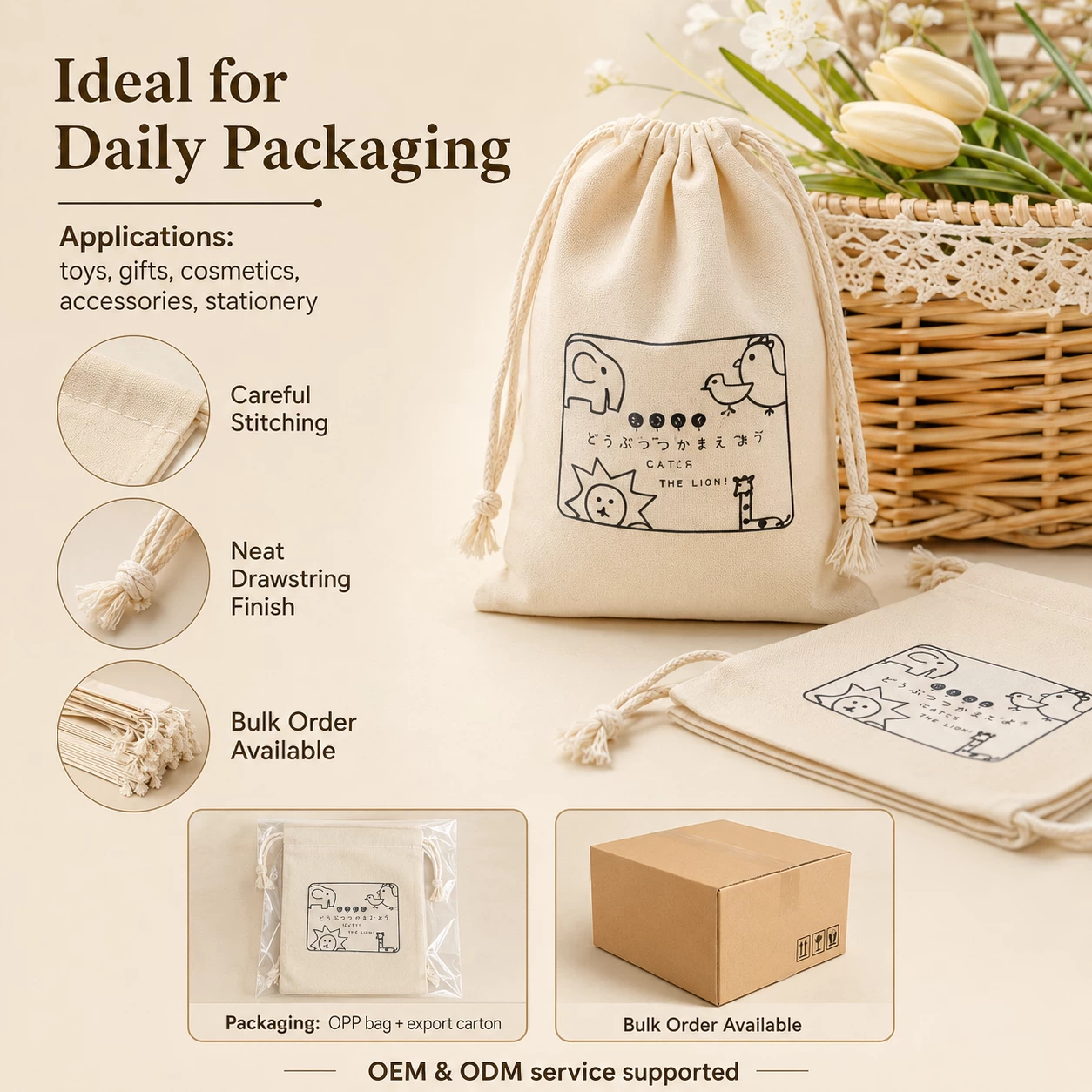
Audits Have Moved Upstream From the Finished Product
Packaging inspection used to mean checking the goods at the end of the line: count the cartons, open a sample, look for visible defects, sign off. That model is being replaced. The audits retail buyers now run against packaging suppliers examine how the product was made, not only what came out of the factory, and they frequently begin before a single unit is produced. For bag and pouch manufacturers this changes what "quality control" means in practice.
What Buyers Now Ask For
The specific requests vary by market and sector, but a recognisable pattern has emerged across jewellery, cosmetics, electronics accessory and promotional programs.
- Stage records rather than a final certificate. Evidence that material was inspected on receipt, that production was monitored, and that finished goods were reinspected before packing — three separate checkpoints, each with its own record.
- Traceability from material lot to shipment. The ability to connect a delivered bag back to the fabric lot it came from. This is what makes a defect claim investigable instead of arguable.
- Defined tolerances in writing. Accepted variation in bag dimensions, print registration, colour match and drawcord length, documented before production rather than negotiated after a complaint.
- A named point of contact through the order. Buyers increasingly refuse to deal with a rotating sales inbox, because accountability disappears when nobody owns the file.
- Documented corrective action. When a defect is found, evidence that the cause was identified and the fix applied to the remaining production, not only to the rejected units.
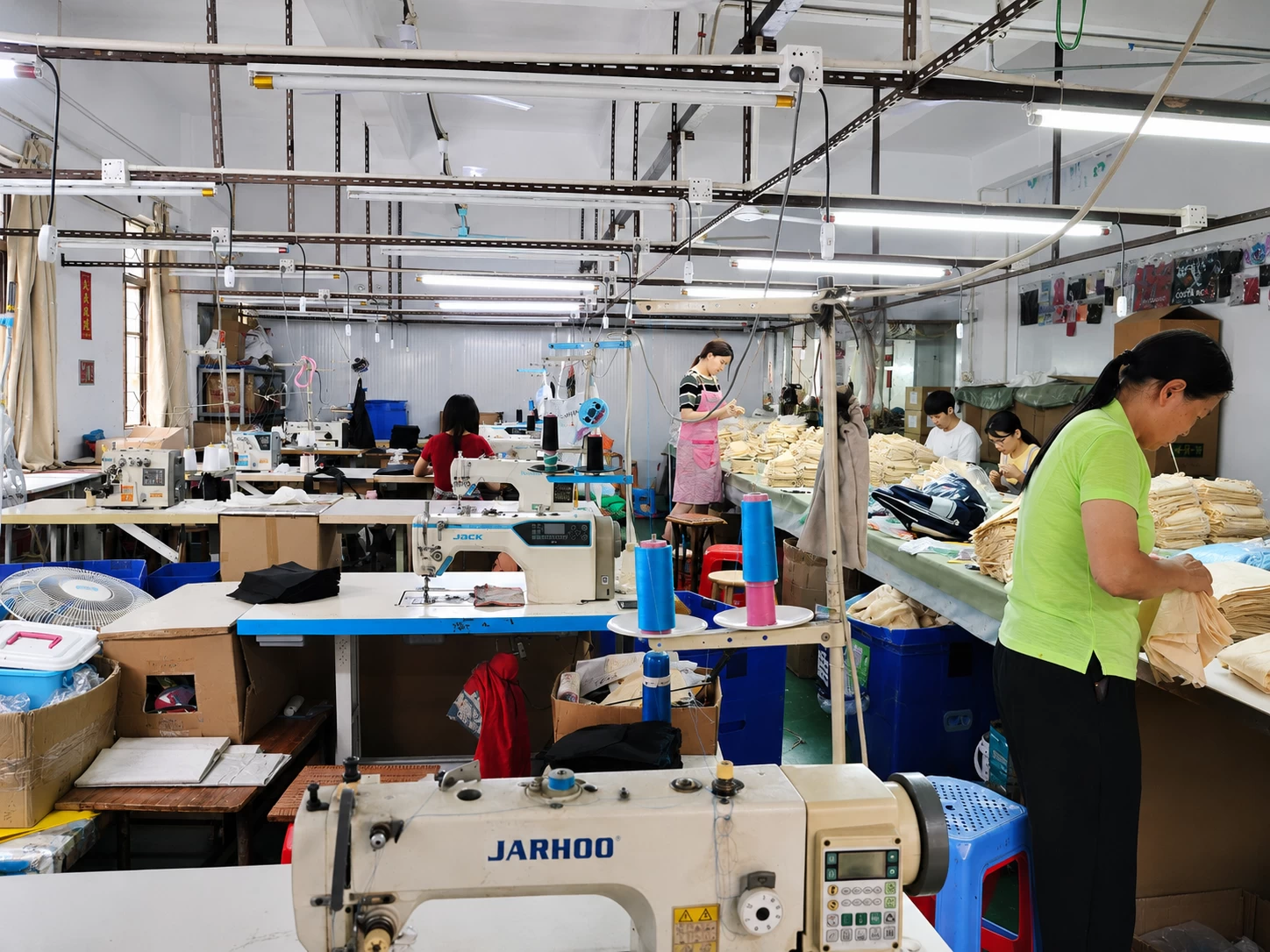
Why the Change Is Structural, Not Cosmetic
Two things drove it. First, packaging moved from being a cost line to being part of the product experience, so a defective pouch now reads as a defective product in the customer's hands. Second, retail buyers themselves are being audited upstream, and they pass those obligations down the chain. A packaging supplier that cannot produce stage records becomes a liability in the buyer's own compliance file, which is why unverifiable suppliers get dropped even when their unit price is competitive.
The practical effect is that quality control investment has shifted from end-of-line inspection toward process documentation. A supplier with excellent finished goods and no records is now a higher-risk choice than a supplier with equivalent goods and complete records.
The Three Checkpoints That Matter
Audit-ready quality control generally means three documented stages, and each catches a different class of problem.
- Incoming material inspection. Catches fabric weight deviation, shade variation between lots, coating inconsistency and drawcord strength issues before they are sewn into finished goods. Problems found here are cheap; the same problems found at the end are not.
- In-production monitoring. Catches print registration drift, seam strength loss and dimensional variation while the run is still running. This is the stage that prevents a whole batch from being wrong.
- Finished-product reinspection. Catches the residue: units that passed individual stages but fail as a complete item. This is where the pass rate is actually established.
Maintaining a stable rate above 99% across all three stages is a process discipline question rather than an inspection intensity question. Adding inspectors at the end does not fix a material problem that started at the beginning.
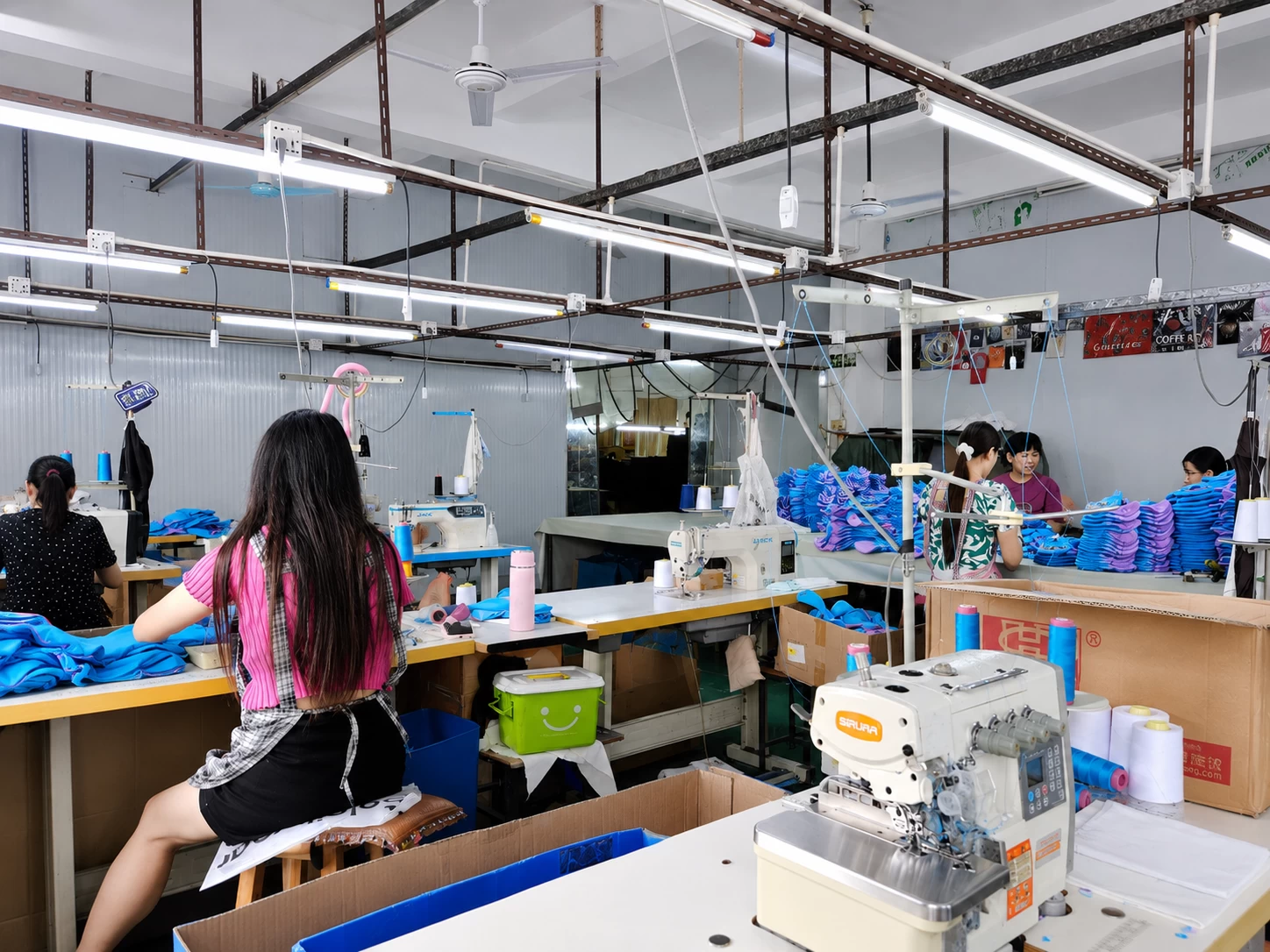
What to Ask Before Placing an Order
- Which stages are inspected, and what record is produced at each one?
- Can you connect a delivered shipment back to its material lot?
- What tolerances apply to dimensions, print position and colour, and are they in writing?
- Who owns my order from sampling through after-sales, by name?
- What happens when a defect is found mid-run — what is the corrective action process?
- Which documents ship with the goods, and which are available on request?
Where Sinai Fits
Minghaoning (Shenzhen) Industrial Co., Ltd. inspects materials, semi-finished products and finished goods at each key stage, which is how the company maintains a stable product pass rate above 99%. Orders are handled by a dedicated account manager from artwork and sampling through quotation, mass production and after-sales service, so accountability stays with one person rather than an inbox. We also offer environmental traceability reports where a project requires them. If your buyer has issued a packaging audit questionnaire, send it over and we will tell you directly which items we can document and in what format.