
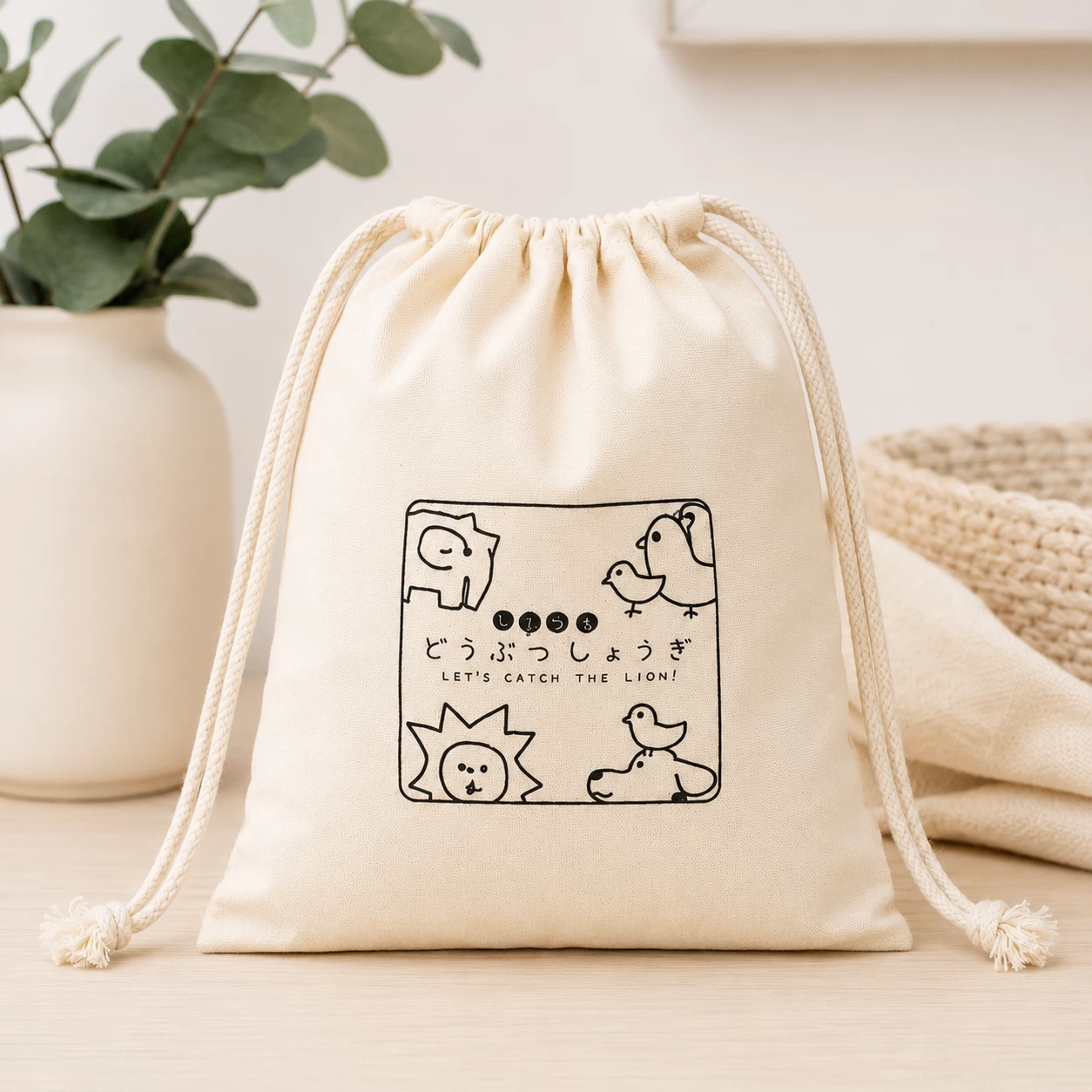
The Recycling Claim Is Now a Procurement Line Item
For most of the last decade, recycled content in textile packaging was a marketing preference. Buyers asked for it when a brand wanted a story to tell. That has changed. In 2026, recycled material claims have moved into the specification document itself, alongside dimensions, fabric weight and print method, and they arrive with documentation requirements attached. Suppliers who treat recycled content as a labelling exercise are discovering that the paperwork is harder than the material.
Why the Shift Happened
Three pressures converged at roughly the same time.
- Extended producer responsibility rules in major markets. Several European and North American jurisdictions now tie packaging fees to recyclability and recycled content, which turns material choice into a measurable cost rather than an ethical one.
- Retailer packaging scorecards. Large retail chains increasingly score suppliers on packaging composition, and a low score affects shelf placement and renewal decisions, not just public relations.
- Consumer expectation becoming assumption. Reusable textile packaging is now read as a baseline quality signal in jewellery, cosmetics and electronics accessory categories, which makes the recycled claim a competitive requirement rather than a differentiator.
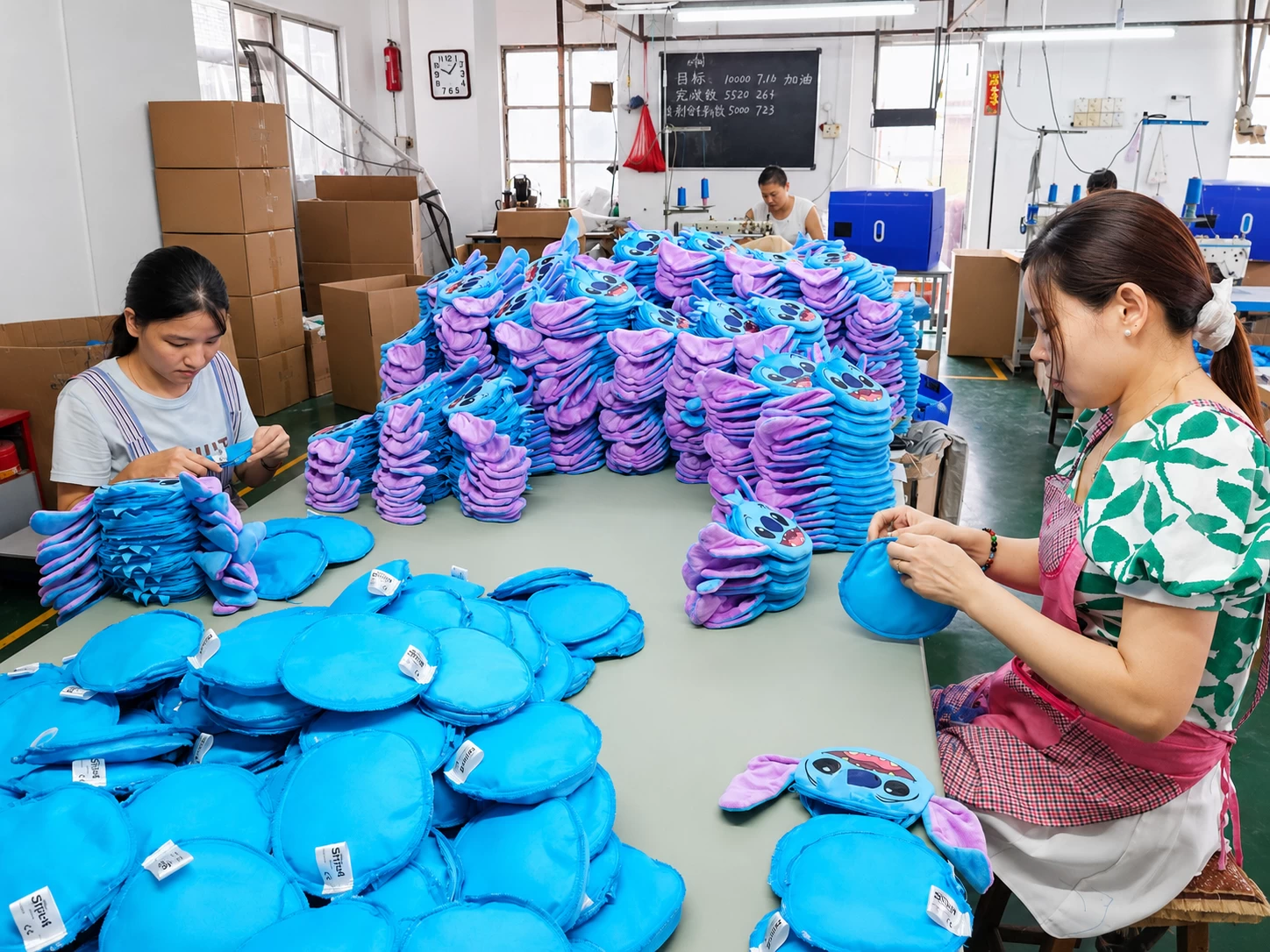
RPET and Recycled Cotton Are Not Interchangeable
Buyers often treat "recycled" as a single category and compare suppliers on price alone. The two dominant options behave quite differently in production and in the finished product.
RPET is polyester derived from post-consumer plastic, most commonly beverage bottles. It performs like virgin polyester: stable colour reproduction, reliable colour-fastness, good dimensional stability, and low shrinkage under washing. For screen printing, heat transfer and UV printing, RPET behaves predictably, which is why it dominates promotional and retail packaging where print quality is the main concern. Its limitation is tactile — it reads as a synthetic fabric, which some premium jewellery and gift applications find incorrect.
Recycled cotton comes from pre- and post-consumer textile waste, mechanically reclaimed and re-spun. It carries the natural hand-feel and breathability brands want for retail and gifting, and it is genuinely reusable in the way end consumers understand. The trade-offs sit in consistency: recycled fibre length is shorter than virgin, so yarn strength and surface uniformity vary more between lots, and natural shade variation is normal rather than a defect. Print crispness on recycled cotton is lower than on RPET, which matters for fine detail and small logo work.
What Recycled Content Actually Requires in Production
Recycled material changes process settings, not just the bill of materials.
- Shade control. Recycled cotton base fabric varies by lot. Production planning must group orders by fabric lot rather than by order date, or a repeat order will not match the original shipment.
- Print parameters. Ink deposit and curing profiles that work on virgin cotton often need adjustment on recycled stock, and this should be settled at sampling rather than at mass production.
- Strength margins. Shorter recycled fibres mean drawcord, seam and stress-point construction may need reinforcement to hit the same durability target.
- Traceability documents. Order-level documentation has to be collected as production runs, not assembled afterwards. Retrospective certification is where most supply chains fail an audit.
Reading a Recycled Content Claim Properly
Percentage claims are easy to state and hard to verify. A supplier stating "recycled" without qualification is giving you marketing, not a specification.
- Ask which standard the claim is verified against and whether verification is per order or per facility.
- Establish whether the percentage refers to the whole bag or the main fabric only. The difference is often substantial once lining, drawcord and thread are counted.
- Request the traceability documentation format in advance so you know what will be delivered with the shipment, not what could be produced on request.
- Confirm it applies to your production run rather than to a sample submitted during enquiry.
What This Means for Specification Writing
The practical consequence is that material sustainability has to be specified with the same precision as physical properties. A specification that says "recycled cotton drawstring bag" will produce inconsistent results across suppliers. A specification that names the material standard, the percentage basis, the verification route and the documentation deliverable will produce comparable quotes and an auditable order.
Where Sinai Fits
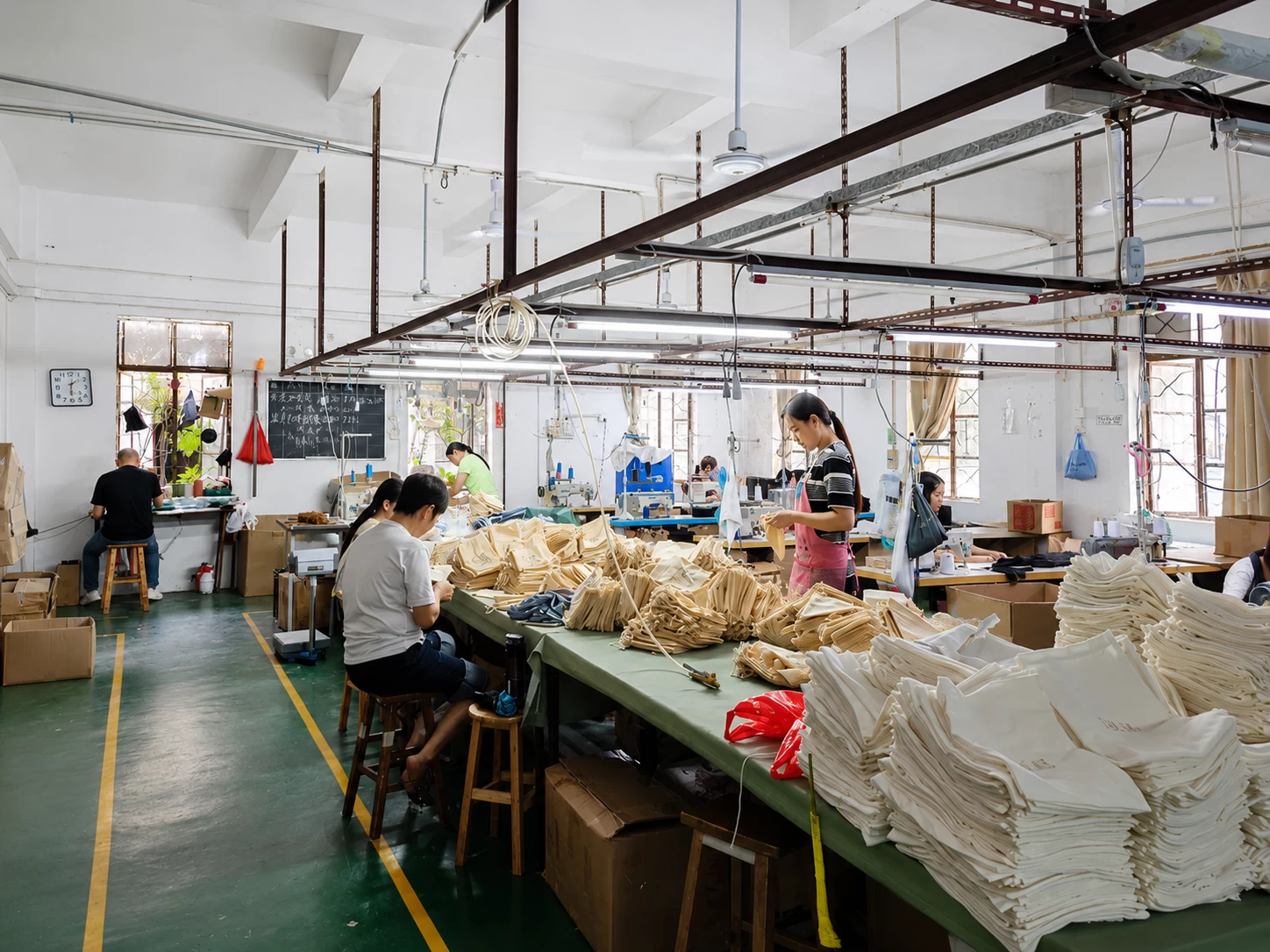
Minghaoning (Shenzhen) Industrial Co., Ltd. produces textile packaging across cotton, canvas, Oxford cloth, non-woven, polyester, RPET and velvet, with environmental traceability reports available when a project requires them. Because material selection, pattern development, sewing, printing and inspection all run inside one production workflow, material substitutions are validated at the sampling stage rather than discovered after mass production has started. If you are revising a packaging specification to include recycled content requirements, send us the current specification and target material and we will confirm what is achievable and what documentation can be issued per order.